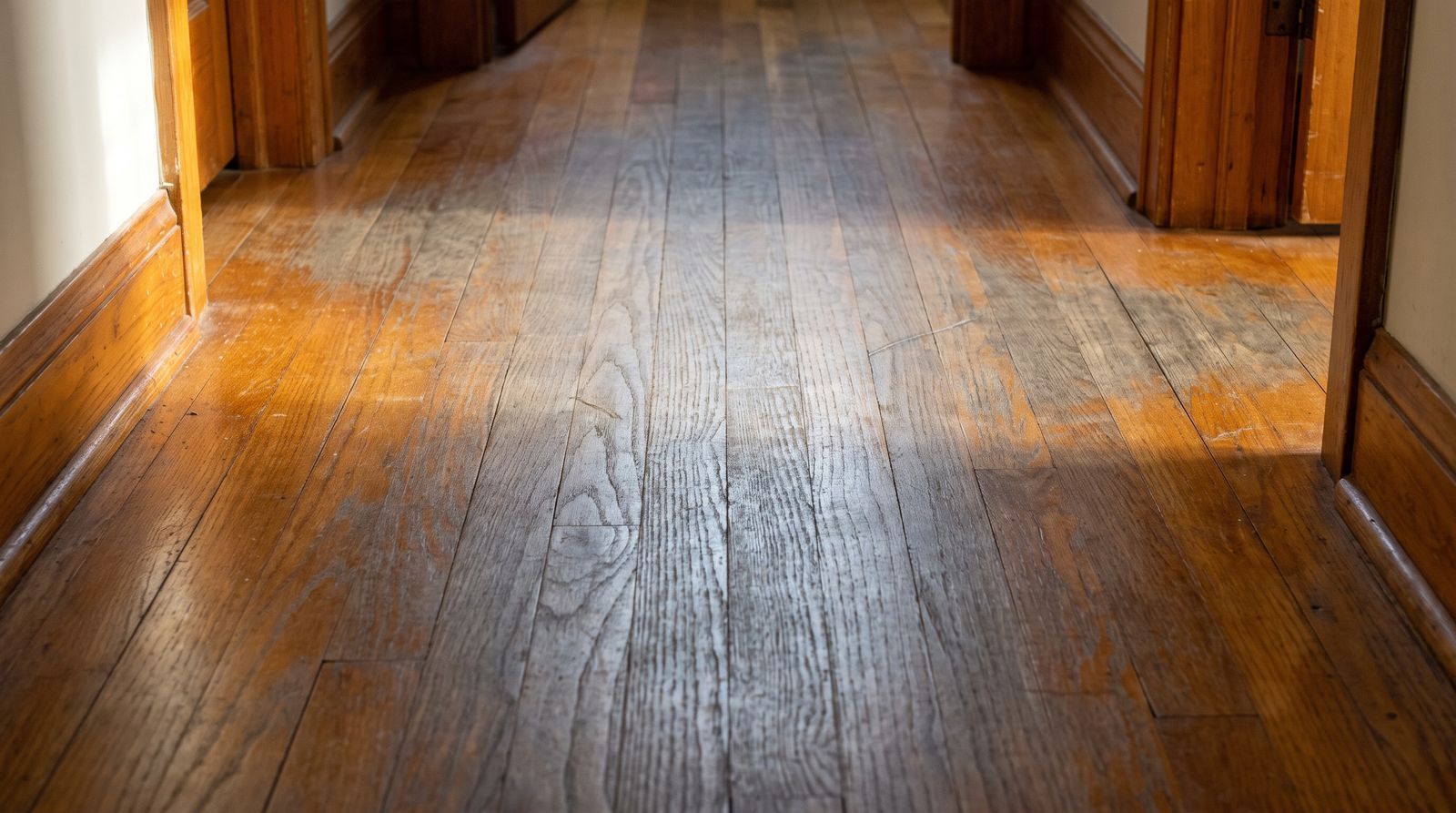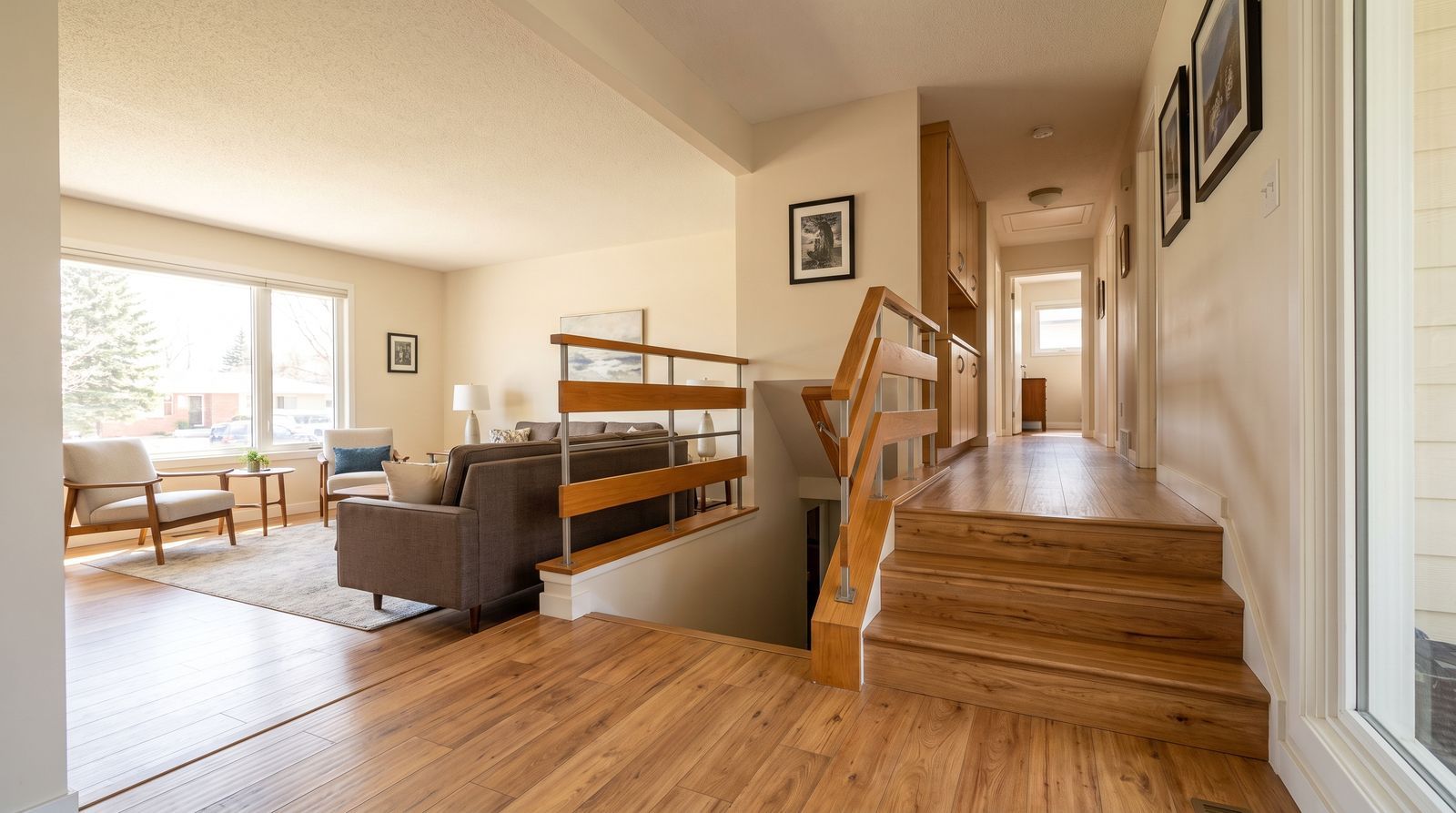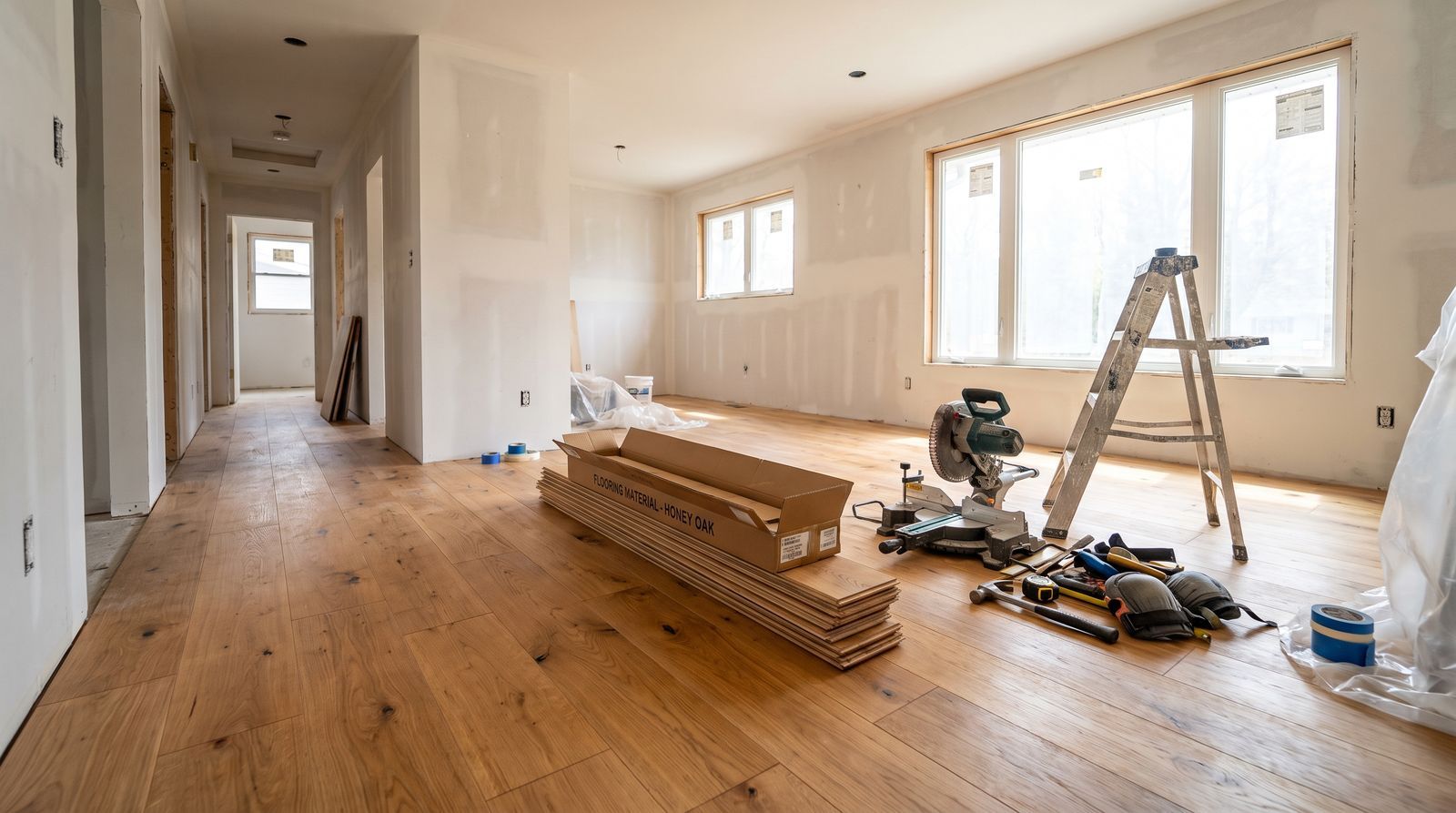


There's no single best commercial floor, it depends on foot traffic, moisture, and how much ongoing maintenance your team can realistically keep up with. VCT is the old standard but needs regular waxing and stripping to hold up. LVT costs more upfront but is nearly maintenance-free after it's down. Rubber is the pick anywhere slip resistance actually matters, entryways, kitchens, anywhere near water.
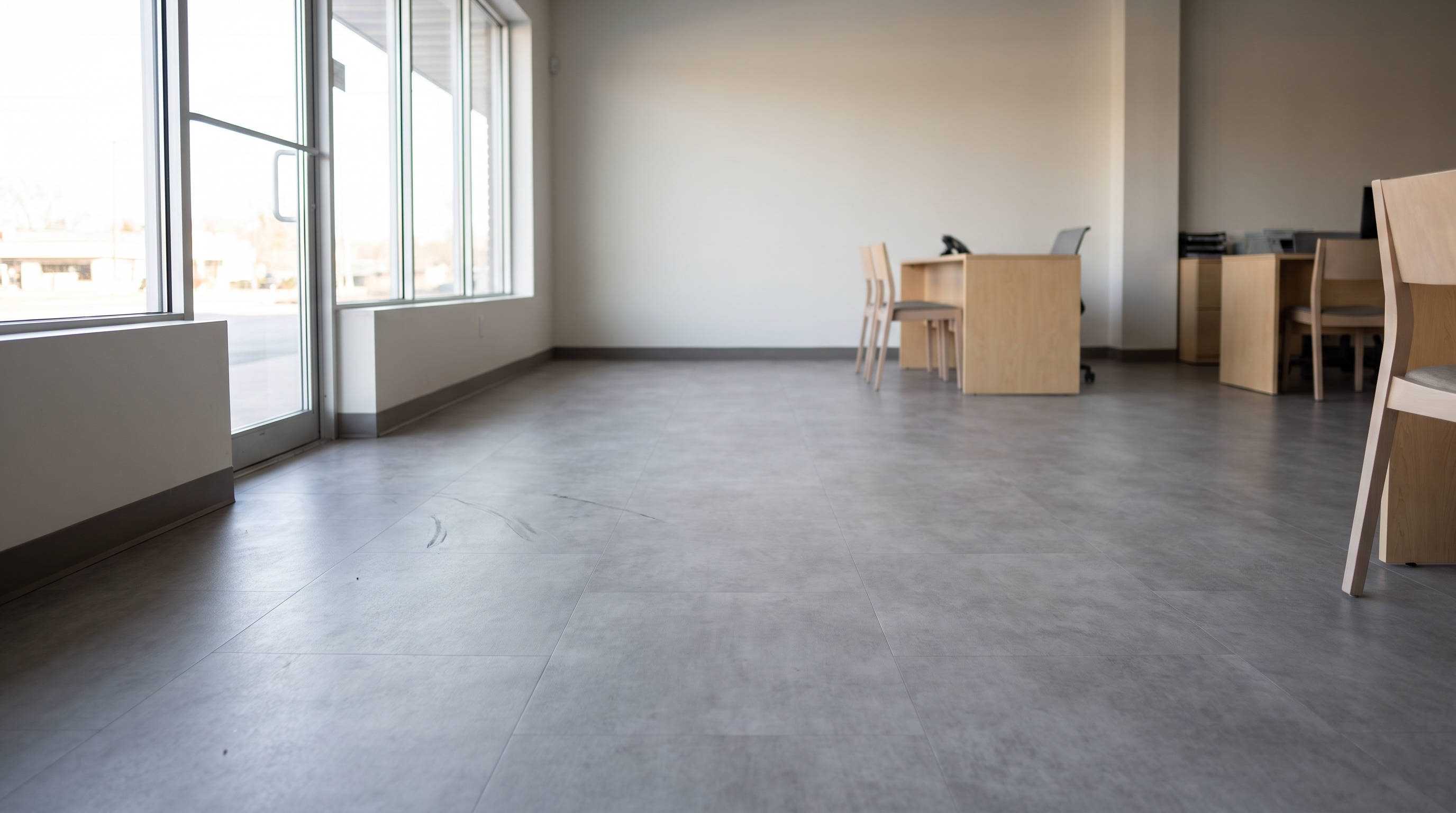
We talk to a lot of property managers, GCs, and small business owners who inherited a flooring decision from a previous tenant, or who are picking for the first time and don't want to get it wrong. The honest answer is that "best" depends entirely on the space. Here's how the three most common commercial options actually compare.
The Old StandardVCT: Cheap to Install, Real Ongoing Work
Vinyl composite tile is inexpensive and has been the default in schools, offices, and retail for decades. But VCT relies on a topical wax finish to resist scuffs and moisture, and that finish is sacrificial. It wears down and has to be stripped and reapplied on a regular cycle, or the floor starts looking dull and worn fast. One lifecycle cost analysis found VCT runs 22 to 27 percent higher in ongoing maintenance labor compared to LVT or sheet vinyl, mostly from the stripping and waxing cycle itself. If your team already has a janitorial program built around that maintenance rhythm, VCT still makes sense. If not, it's worth factoring that labor into the decision up front.
The UpgradeLVT: Commercial Grade Means Something Specific
Commercial LVT isn't the same product as what goes into a house. It's rated by wear layer thickness in mils, and the rating should match the traffic level: 20 mil for moderate commercial traffic, 28 mil for heavier, busier spaces, and up to 40 mil for the most demanding environments, a warehouse floor, a high-volume retail entry. Once it's installed, day-to-day care is sweeping, damp mopping, and an occasional neutral cleaner, no stripping, no waxing. It costs more to put down than VCT, but the maintenance side is dramatically lighter over the life of the floor.
The Safety CallRubber: Where Slip Resistance Is the Priority
Rubber flooring holds up to dents and scuffs for years and provides noticeably better traction than hardwood, tile, or vinyl, especially when wet. That makes it the right call for entryways, areas near kitchens or water sources, and anywhere ADA slip-resistance requirements are a real consideration, not just a nice-to-have. We install rubber flooring through our commercial line, alongside VCT, for exactly these kinds of higher-accountability spaces.
What Actually Drives the DecisionTraffic, Moisture, and Who's Maintaining It
The right choice usually comes down to three questions: how much foot traffic does the space see, is there regular moisture exposure, and does your team have the staffing to keep up with a maintenance-heavy floor like VCT. A retail entryway that sees rain and heavy foot traffic has different needs than a back office. Answering those honestly before choosing a material saves a lot of second-guessing later.
A Few Things Property Managers Actually Ask Us
Is LVT always better than VCT for a commercial space?
Not always. VCT is still a reasonable choice if a janitorial program is already built around waxing and stripping cycles. LVT makes more sense when a team wants to reduce ongoing maintenance labor, even with a higher upfront installation.
What wear layer rating should we look for in a busy retail space?
For moderate commercial traffic, 20 mil is typically the minimum. Busier, higher-traffic spaces should look at 28 mil, and the most demanding environments can justify going up to 40 mil.
Where does rubber flooring make the most sense in a commercial building?
Entryways, areas near kitchens or water sources, and anywhere slip resistance is a real safety consideration rather than a preference. It also holds up well in high-traffic areas that see a lot of daily wear.
Does commercial flooring installation disrupt normal business operations?
It depends on the space and material, but this is something to plan for directly with your contractor, phased sections, off-hours work, or a full shutdown are all options depending on the job.
Weighing flooring options for a commercial space? Get in touch, we install VCT and rubber flooring through our commercial line and can walk through what actually fits your space.